Overview of the Importance of Security in eCommerce Hosting:
In today’s digital age, eCommerce websites are the backbone of many businesses, facilitating the sale of products and services globally. However, the online nature of these businesses makes them susceptible to various security risks. eCommerce hosting security is crucial because it ensures the integrity, confidentiality, and availability of customer data, transactions, and the overall website performance.
Effective security practices protect both the business and its customers from malicious activities, fraud, and data theft. For businesses running on platforms like Magento or WooCommerce, choosing secure hosting environments — such as high-performance Magento hosting or optimized WooCommerce hosting adds an additional layer of protection, performance, and compliance.
Highlight the Potential Risks and Their Impact:
Several eCommerce hosting security threats can jeopardize an eCommerce site. A data breach is one of the most concerning risks, as it exposes sensitive customer information like credit card details, personal data, and login credentials. The consequences of a breach can be severe, resulting in financial losses, reputational damage, and even legal liabilities due to the violation of privacy laws (e.g., GDPR).
Additionally, website downtime can be a critical issue. If an eCommerce platform becomes unavailable due to security breaches like DDoS attacks, businesses lose sales, customer trust, and credibility. Website performance also plays a huge role in customer satisfaction — slow load times or interruptions due to cyberattacks can cause customers to abandon their carts, leading to lost opportunities.
For example, you can learn more about optimizing server performance to prevent downtime in our post: Optimizing Server Performance for Database Workloads
The stakes are high because customers trust businesses with their personal and financial data, and any security failure can have long-term consequences.
A Closer Look at Today’s Biggest Security Risks:
With the risks in mind, it’s important for businesses to understand the most common security threats in eCommerce hosting. These threats not only harm business operations but also put customers’ data at risk. By identifying and addressing these threats, business owners can significantly reduce the likelihood of attacks and build a safer online shopping environment.
This blog will explore common security vulnerabilities like data breaches, SQL injections, and DDoS attacks, and provide practical strategies to prevent them, ensuring the security of both the eCommerce platform and its customers.
Eye-Opening Facts About eCommerce Cybersecurity
- Nearly four out of every ten cyberattacks are now directed at eCommerce websites, placing online businesses among the top targets for attackers.
- Global eCommerce fraud losses are projected to surpass $50 billion by 2025, highlighting how rapidly threats are growing.
- Around 80% of companies hit by a major security breach experience a significant drop in customer trust, which often leads to reduced sales and long-term brand damage.
- Ransomware incidents affecting online stores have surged by over 60%, with attackers demanding increasingly higher payments to restore access.
Common eCommerce Hosting Security Threats
In the world of eCommerce, hosting security is critical in preventing various threats that can jeopardize a business and its customers. Below are some of the most common security threats faced by eCommerce sites:
-
Data Breaches and Cyberattacks
Data breaches occur when attackers gain unauthorized access to sensitive customer information such as credit card details, personal data, or login credentials. The consequences of such breaches are significant, as they not only compromise customer trust but also expose businesses to legal consequences, financial penalties, and reputational damage.
Cyberattacks targeting eCommerce sites can come in many forms, from hacking attempts to more sophisticated malware injections, all of which put vital business data at risk.
-
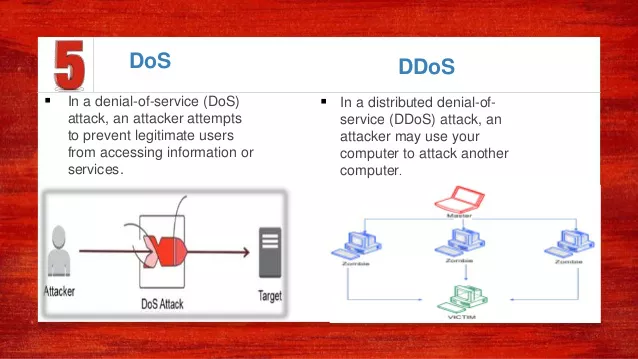
DDoS Attacks (Distributed Denial-of-Service)
DDoS attacks are one of the most common and disruptive threats to eCommerce platforms. In a DDoS attack, cybercriminals flood a website with traffic from multiple sources to overload the server, causing it to crash or become unavailable to legitimate users. The downtime caused by a DDoS attack can result in lost sales, a damaged reputation, and even harm to search engine rankings due to website unavailability.
-
SQL Injection
SQL injection attacks occur when hackers exploit vulnerabilities in a website’s database layer. By inserting malicious SQL code into the site’s input fields, attackers can manipulate the backend database to access, modify, or delete sensitive data. This vulnerability is common in poorly secured websites and can expose critical customer information or even grant the hacker full administrative control of the site’s database.
-
Phishing and Social Engineering
Phishing and social engineering attacks involve tricking employees or customers into disclosing sensitive information like usernames, passwords, or financial details. This is typically done through deceptive emails, fake websites, or fraudulent phone calls that impersonate trusted sources, such as a company’s IT department or a legitimate online store.
These tactics are designed to manipulate victims into clicking on malicious links or revealing login credentials, which attackers can then use for unauthorized access to systems and accounts.
-
Malware and Ransomware
Malware (malicious software) and ransomware are other eCommerce hosting security threats. Malware can be used to steal data, monitor activity, or disrupt site performance. Ransomware, on the other hand, encrypts a business’s data, rendering it inaccessible until a ransom is paid to the attacker.
These types of attacks can halt eCommerce operations and cost businesses not only in recovery efforts but also in lost revenue and customer trust. Regular malware scanning and backup protocols are critical to mitigating these risks.
-
Weak Authentication
Weak authentication practices, such as using simple or default passwords and lacking two-factor authentication (2FA), can leave eCommerce sites vulnerable to unauthorized access. Attackers often use brute force or credential-stuffing techniques to gain entry to accounts with weak login systems.
This is especially risky when it comes to admin accounts or customer login systems that house sensitive personal and financial information. Strong password policies and multi-factor authentication (MFA) should be enforced to prevent unauthorized access.
Understanding these common eCommerce hosting security threats and taking preventive measures is essential for any eCommerce platform. By securing against data breaches, DDoS attacks, SQL injections, and more, businesses can significantly reduce their risk and protect both their infrastructure and their customers’ data.
Best eCommerce Hosting Security Practices to Protect your eCommerce Store
An eCommerce hosting security environment is crucial to protect sensitive data, prevent security breaches, and ensure your website operates smoothly. Below are the best practices that every eCommerce business should adopt to secure their hosting environment:
1. Use of SSL Certificates & HTTPS
SSL certificates are essential for encrypting data transmitted between your website and your users. They provide encryption for sensitive data like credit card information, login credentials, and personal data, ensuring it cannot be intercepted or tampered with by malicious actors.
Websites with SSL certificates use HTTPS (HyperText Transfer Protocol Secure) rather than HTTP, signaling that the connection is secure and trusted. The browser also shows a padlock icon for HTTPS websites, which boosts customer confidence. For eCommerce websites handling transactions, using SSL is not just a best practice; it’s a requirement.
2. Regular Security Audits
Conducting regular security audits is a proactive way to detect and address vulnerabilities in your eCommerce site. Security audits typically include vulnerability scanning, checking for outdated plugins or software, and ensuring that your hosting environment is configured correctly.
Vulnerability scans help identify eCommerce Hosting Security issues like malware, misconfigurations, and missing security patches. Regular updates are essential to protect your website from new security risks and to ensure compliance with security standards.
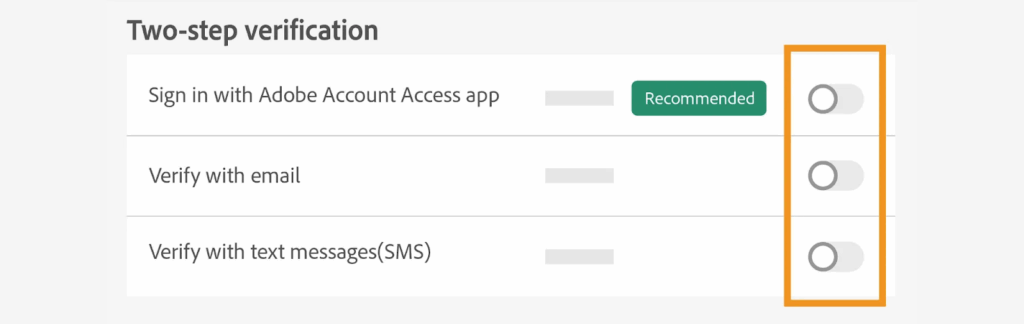
3. Implement Two-Factor Authentication (2FA)
Two-Factor Authentication (2FA) provides an extra layer of security beyond just passwords. With 2FA enabled, users need to verify their identity through a second method (e.g., a code sent to their phone or an authentication app) in addition to their password.
This significantly reduces the risk of unauthorized access and is particularly important for users with access to sensitive data, such as admin accounts or customer information. 2FA is an easy and effective way to strengthen your eCommerce hosting security and protect against password-related breaches.
4. Employ Web Application Firewalls (WAF)
A Web Application Firewall (WAF) acts as a barrier between your eCommerce website and potential threats. It filters incoming traffic and blocks malicious activity such as SQL injections, cross-site scripting (XSS), and other common security threats.
By deploying a WAF, you can protect your site from attacks that aim to exploit vulnerabilities in your web applications. A WAF also helps to mitigate DDoS attacks, block malicious bots, and prevent hacking attempts, offering a layer of security to keep your website safe.
5. Data Encryption
Encrypting both data at rest and data in transit is essential for securing sensitive information on your eCommerce site. Data in transit refers to information that is being sent from your website to the user or vice versa, while data at rest is stored on your servers.
Using encryption protocols, such as AES-256, ensures that even if attackers manage to intercept or access this data, they won’t be able to read or use it. Encryption is particularly crucial for sensitive customer data, including payment details, personal information, and login credentials.
Choosing the Right eCommerce Hosting Provider
Choosing the right eCommerce hosting security provider is a critical decision that directly impacts your website’s security, performance, and overall success. It’s not just about finding the most affordable option, but ensuring that your provider offers robust security measures to safeguard your business and customer data.
When selecting a eCommerce hosting security provider, look for features like PCI compliance, DDoS protection, and regular backups. Check out this blog Why Managed Magento Hosting offers insights into how a managed hosting provider can better secure your Magento eCommerce site.
Here are key factors to consider when selecting an eCommerce hosting provider:
1. Key Security Features to Look for in a Hosting Provider
When choosing an eCommerce hosting provider, security should be a top priority. Some of the critical security features to look for include:
- PCI Compliance: If your website handles credit card transactions, it’s essential that your hosting provider meets the Payment Card Industry Data Security Standard (PCI DSS). PCI compliance ensures that your hosting environment adheres to the strict requirements for safeguarding sensitive payment card information. It minimizes the risk of data breaches and helps maintain customer trust.
- DDoS Protection: Distributed Denial of Service (DDoS) attacks can overwhelm your website with massive amounts of traffic, causing downtime or even service outages. Look for a eCommerce hosting security provider that offers DDoS protection to mitigate these attacks.
Some hosting services include built-in DDoS protection or integrate with third-party services that can detect and block suspicious traffic in real time. If you need hosting built with performance and protection in mind, check out ZenoCloud’s Cloud Server Hosting - Regular Backups: Data loss can be catastrophic for your business. Choose a provider that performs regular backups of your website and its database. This ensures that in case of a eCommerce hosting security breach or system failure, you can restore your data quickly and minimize downtime.
2. Managed Hosting vs. Self-Hosting
One of the most important decisions when it comes to eCommerce hosting security is whether to choose managed hosting or self-hosting.
- Managed Hosting: With managed hosting, the provider takes care of the infrastructure, including maintenance, updates, security, and monitoring. Managed hosting providers typically offer additional services like proactive security management, performance optimization, automatic backups, and more.
For eCommerce businesses, managed hosting is often the better choice because it reduces the technical burden on your team and ensures that security issues are addressed promptly. A reliable managed provider will take care of patching vulnerabilities, configuring firewalls, and ensuring that your site complies with industry regulations (e.g., PCI DSS). - Self-Hosting: On the other hand, self-hosting involves setting up and managing your own server environment. While it provides greater control over your infrastructure, it also places the responsibility for security and performance squarely on your team.
For smaller businesses or those without dedicated IT resources, self-hosting can be riskier, as maintaining strong security standards and keeping up with software updates requires expertise.
Choosing managed hosting often provides a higher level of security and peace of mind, as most managed providers offer additional support for securing your eCommerce store.
3. Reputation and Reliability of Hosting Providers
When selecting a hosting provider, reliability and security reputation are paramount. To assess the trustworthiness of a potential provider, consider the following factors:
- Track Record and Reviews: Research customer reviews, testimonials, and case studies to evaluate how well the provider performs in terms of security, uptime, and customer support. A reputable hosting provider should have a history of reliable service and strong eCommerce hosting security practices.
- Security Certifications: Hosting providers that have earned industry-recognized certifications (e.g., ISO 27001, SOC 2, or CSA STAR Certification) demonstrate their commitment to maintaining the highest eCommerce hosting security standards. These certifications ensure that the provider’s internal processes are regularly audited to meet strict security requirements.
- Support Availability: Your hosting provider should offer reliable 24/7 support. In case of a security breach or technical issue, quick access to knowledgeable support staff is critical. Check if the provider has a well-established support system and provides multiple communication channels (e.g., live chat, email, phone).
- Uptime Guarantee: Your eCommerce website needs to be online and accessible at all times. A good provider should offer an uptime guarantee (e.g., 99.9% or higher). This ensures that the hosting service has adequate infrastructure in place to keep your site running smoothly.
Selecting the right eCommerce hosting provider is vital to maintaining your website’s security, performance, and reliability. Be sure to choose a provider with robust security features, a solid reputation, and managed hosting services that align with your business’s needs.
Employee Training and User Awareness
In addition to technical security measures, employee training and user awareness are crucial elements in protecting an eCommerce business from security threats. Both internal teams and customers need to be informed about the potential risks and best practices to mitigate them. Here’s how employee and customer education can strengthen security efforts:
1. Employee Security Training
Your employees are often the first line of defense against cyberattacks. Well-trained staff members can prevent many security breaches before they happen. Here are the key aspects of employee training:
- Phishing Awareness: Phishing is one of the most common ways that cybercriminals infiltrate an organization. Employees should be trained to recognize suspicious emails, phone calls, or messages asking for sensitive information such as login credentials or personal details. Regular training can help staff spot phishing attempts and avoid falling victim to these attacks.
- Strong Password Policies: Educating employees about the importance of using strong, unique passwords for different accounts can significantly reduce the risk of unauthorized access. Encouraging the use of multi-factor authentication (MFA) where possible further enhances eCommerce hosting security by adding an extra layer of protection.
- Secure Data Handling: Employees should understand the importance of data security, especially when handling sensitive customer information. Training them on how to securely store, transmit, and dispose of data (e.g., encrypted communications, secure document storage) is essential for preventing data leaks and breaches.
- Regular Updates and Threat Simulations: eCommerce hosting security threats are constantly evolving, so regular security training sessions and simulated phishing attacks can help keep employees vigilant. By simulating real-world attacks, employees can practice responding to potential threats in a safe environment.
2. Customer Education
Customers are just as vulnerable to security risks as your employees. Educating them about security best practices can reduce the likelihood of them falling victim to scams or security threats, which in turn helps protect your business. Here’s what customer education should include:
- Secure Password Creation: Encourage customers to create strong, unique passwords for their accounts. Provide guidelines for creating passwords that are difficult to guess (e.g., combining letters, numbers, and special characters). You could also recommend password managers to help customers store their passwords securely.
- Recognizing Phishing Attempts: Educate customers on how to identify phishing emails, fake websites, and other types of social engineering attacks. Teach them to look for signs like suspicious email addresses, misspelled links, and unsolicited requests for personal information. Remind them to always check the legitimacy of a website or email before entering sensitive data.
- Secure Payment Methods: Customers should be aware of the safest ways to make payments online, such as using credit cards, secure payment gateways, or e-wallets. Providing information about the importance of checking for “https” in the URL and the padlock icon can ensure they are making transactions through secure channels.
- Reporting Suspicious Activity: Encourage customers to report suspicious activity, whether it’s a suspicious email, an odd transaction on their account, or a security issue with your website. By empowering customers to act as part of your security network, you can improve response times and reduce potential damage.
Training your employees and educating your customers about online security threats not only enhances the protection of your eCommerce business but also fosters a culture of security awareness. When everyone, from internal teams to end users, is educated about security risks and best practices, the likelihood of successful attacks is significantly reduced.
Conclusion and Next Steps
Securing your eCommerce hosting environment is not just a one-time task; it’s an ongoing process that requires vigilance and proactive measures. As eCommerce businesses increasingly rely on digital infrastructure for day-to-day operations, ensuring the security of your hosting environment has become more critical than ever.
By choosing the right hosting provider with robust security features, utilizing advanced security technologies (such as Web Application Firewalls and DDoS protection), and adopting best practices like two-factor authentication, you can create a fortified environment for your online store.
To know more, learn how AWS can help optimize your infrastructure securely by reading our blog on AWS Cost Optimization with Tagging
Recap of the Importance of Securing Your eCommerce Hosting Environment
The security of your eCommerce hosting environment directly impacts your ability to serve your customers, maintain trust, and ensure smooth business operations. Without proper security protocols in place, you are exposing your business to a wide range of threats such as cyberattacks, data breaches, and service disruptions.
These risks not only compromise sensitive customer data but can also result in legal and financial consequences. Ultimately, maintaining a secure hosting environment is a foundational aspect of running a successful eCommerce business.
Encourage Business Owners to Take Proactive Steps
It’s not enough to just acknowledge these risks; business owners must actively take steps to secure their eCommerce environment. Implementing the best practices discussed in this blog — from using SSL certificates to employing strong password policies, performing regular security audits, and educating employees — can help mitigate threats.
Equally important is staying updated on the latest security vulnerabilities and new tactics used by cybercriminals. By choosing the right eCommerce Hosting Security provider with robust security features, utilizing advanced security technologies (such as Web Application Firewalls and DDoS protection), and adopting best practices like two-factor authentication, you can create a fortified environment for your online store.
Call to Action: Regularly Review Security Measures and Stay Updated
The landscape of online security is constantly evolving, so it’s important for business owners to regularly review and update their security measures. Schedule periodic security audits, stay informed about emerging threats, and implement the latest prevention tactics to ensure that your eCommerce website remains secure.
Keeping your site secure is an ongoing effort that requires continuous monitoring, updating software, and making adjustments to mitigate new threats as they arise. Remember, security isn’t just about implementing measures today; it’s about building a culture of vigilance and adaptability to future-proof your eCommerce business.
Need a Secure Hosting Partner?
If you want a secure and performance-optimized hosting setup for your eCommerce store, explore our Cloud Server Hosting or contact us for a consultation.